21 Nov 2026
Charting Demographic Influences on Feature Adoption in Portable Chance-Based Platforms
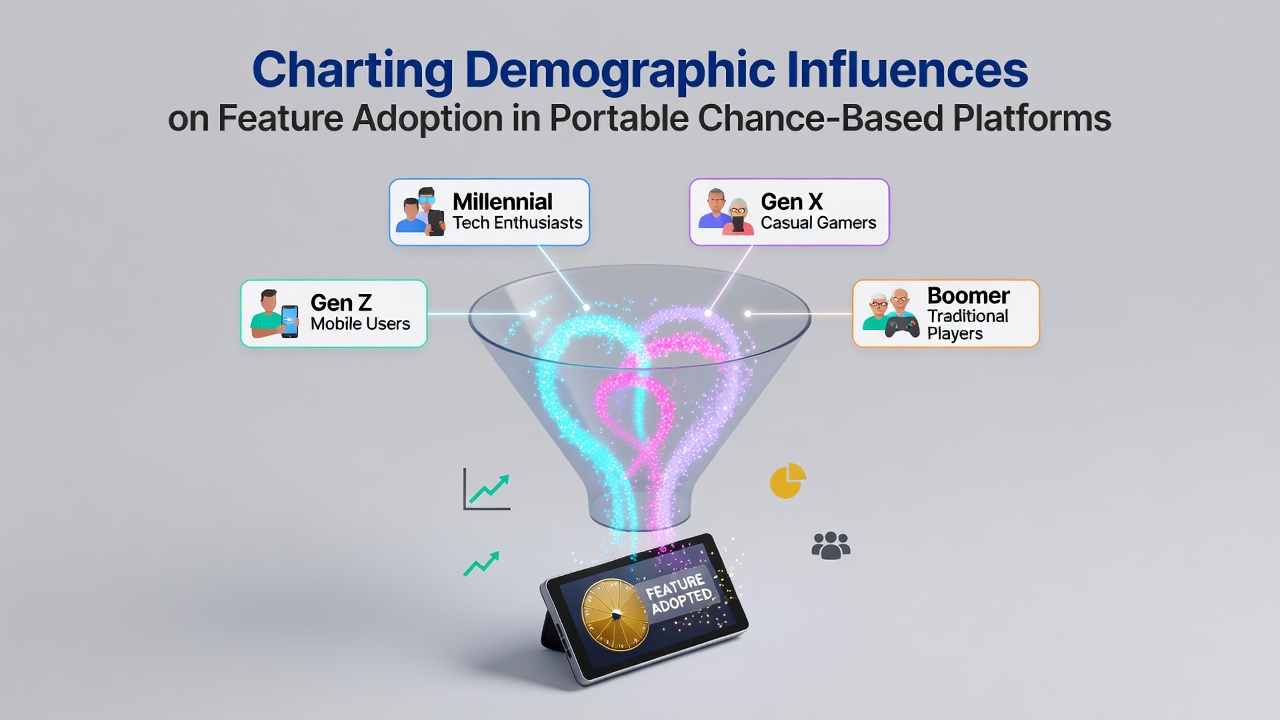
Portable chance-based platforms continue to expand their reach as developers track how different demographic groups select and use specific features in mobile slots, live dealer environments, and sports prediction tools. Studies from research institutions reveal clear patterns where age, location, income levels, and gender shape adoption rates for elements like instant cash-out options, personalized bonus structures, and real-time interaction modules. Data collected through November 2026 shows these influences remain consistent even as new updates roll out across handheld devices.
Age-Based Patterns in Feature Selection
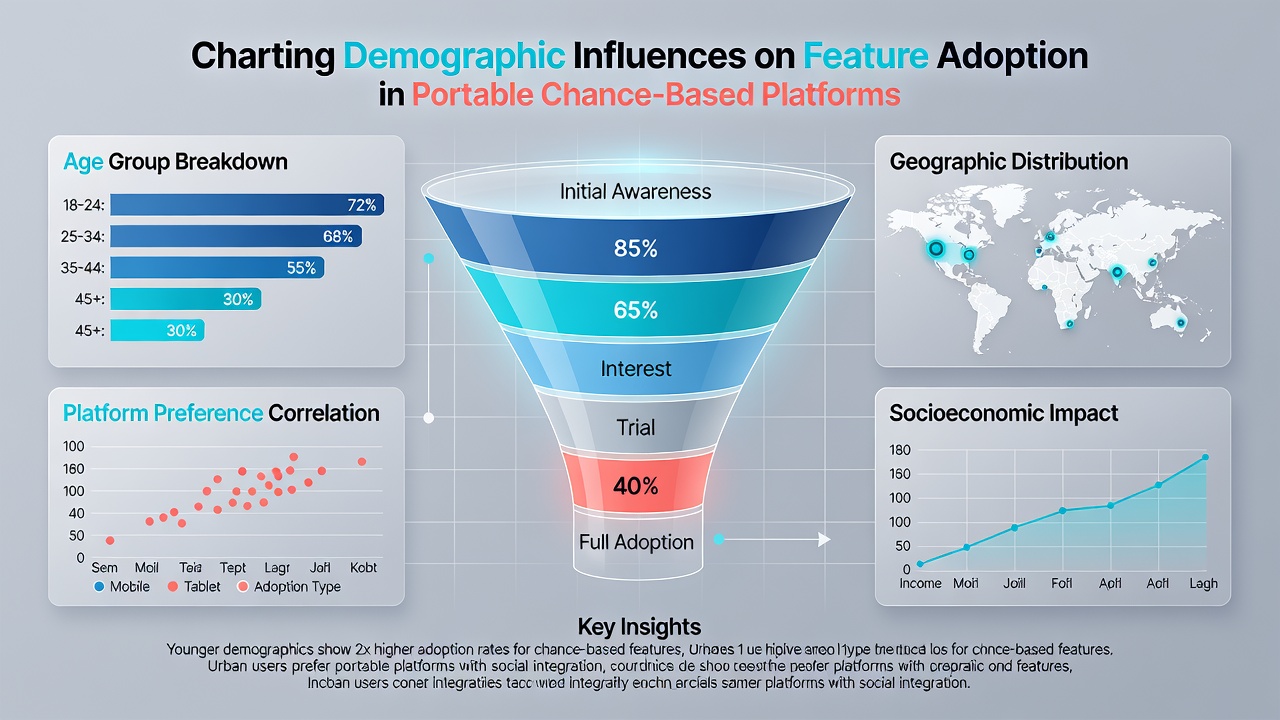
Younger users between 18 and 34 demonstrate higher engagement with interactive live dealer features and social sharing tools according to aggregated platform analytics. Observers note that this cohort often adopts gamification elements such as achievement badges and tournament entries at faster rates than older groups. In contrast, players aged 45 and above show stronger preference for straightforward reel mechanics and simplified payment integrations that reduce steps during deposits and withdrawals.
Research from academic sources indicates these age divisions stem from differing comfort levels with technology interfaces and varying priorities around speed versus familiarity. One analysis of user cohorts found that users in their twenties integrate multi-device syncing features more readily while mid-career professionals prioritize security layers and responsible play reminders. These distinctions appear across multiple markets without significant deviation as of late 2026.
Geographic and Regional Variations
Regional regulations and cultural factors further segment feature adoption in portable platforms. Data from Australian regulatory bodies highlights how users in that market favor integrated responsible gambling tools alongside core chance-based mechanics. Meanwhile, reports from Canadian provincial agencies point to elevated interest in cryptocurrency payment options among players in western provinces compared with eastern regions.
European data compiled by industry associations shows similar splits where Nordic countries exhibit quicker uptake of cross-platform progress tracking while southern markets lean toward localized language support and regional event tie-ins. These geographic differences persist even when identical app versions launch simultaneously, suggesting external influences like payment infrastructure and local entertainment preferences drive the variations.
Gender and Socioeconomic Influences
Gender distributions reveal distinct preferences in feature sets according to multiple industry reports. Female users show elevated adoption of loyalty progression systems and themed content updates while male cohorts engage more frequently with competitive leaderboard functions and high-volatility game modes. These patterns hold across income brackets yet intensify among higher-earning segments where discretionary spending allows greater exploration of premium features.
Income level correlates strongly with adoption of advanced financial tools such as instant withdrawal processing and portfolio tracking for multi-game sessions. Lower-income groups tend to favor free-to-play entry points and bonus conversion mechanics that stretch playtime without additional deposits. Researchers tracking these trends through 2026 note that socioeconomic factors often intersect with education levels, producing compounded effects on how quickly users experiment with new interface elements.
Platform Data and Integration Trends
Platform operators compile anonymized datasets that map these demographic signals onto feature roadmaps. Integration of identity verification protocols, for instance, sees higher completion rates among users in regulated European jurisdictions compared with emerging markets where alternative verification methods gain traction. Payment processor partnerships also reflect demographic targeting, with certain e-wallet solutions appearing more frequently in apps popular among younger urban demographics.
Studies compiled by trade organizations document how these patterns influence development priorities. Features like adaptive reward mechanics receive iterative updates based on cohort feedback loops, and content synchronization across live dealer and sports prediction modules accelerates in regions with high mobile penetration. The data underscores that adoption does not occur uniformly but follows measurable demographic contours that developers monitor continuously.
Conclusion
Demographic factors continue to shape how users interact with portable chance-based platforms through measurable differences in feature preferences across age, location, gender, and income categories. Platform analytics and external research sources confirm these influences guide ongoing refinements in mobile interfaces and content delivery. Observers tracking developments into late 2026 expect these patterns to remain central to strategic decisions as new demographic cohorts enter the user base.