24 Oct 2026
Data Pathways Governing Promotional Access in Portable Poker Suites and Athletic Forecasting Apps
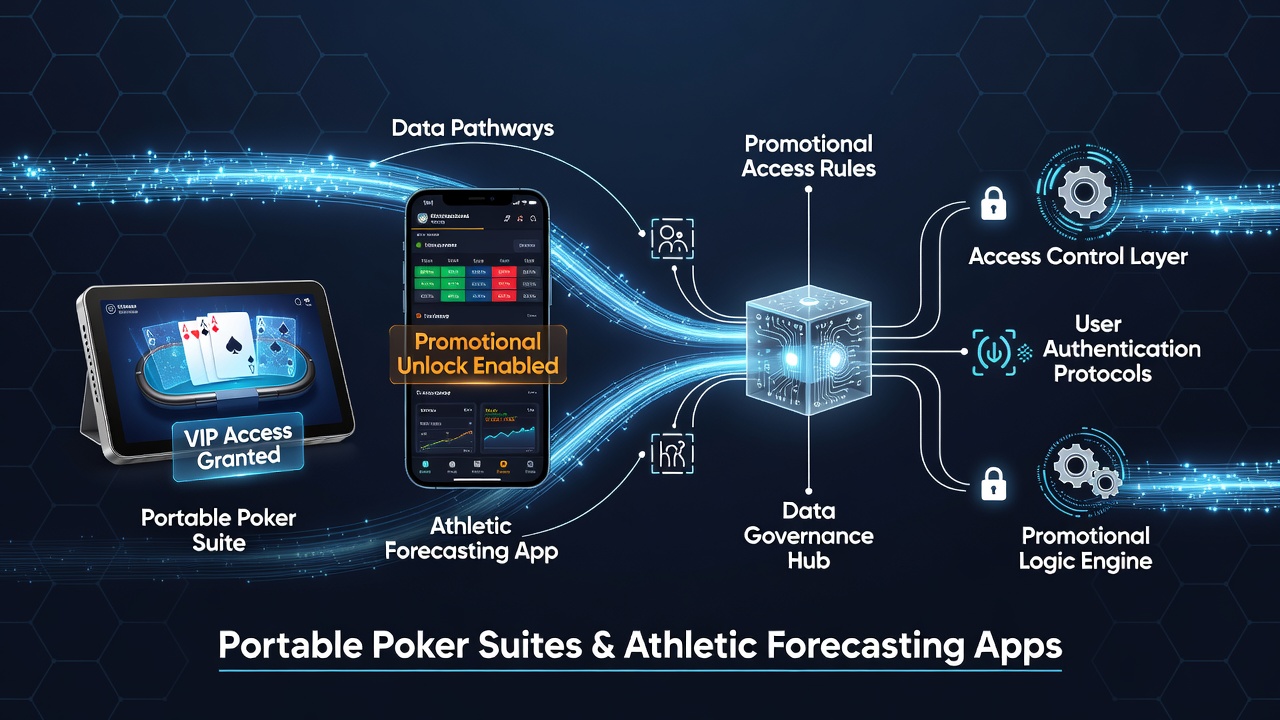
Portable poker suites and athletic forecasting apps rely on intricate data pathways that determine who receives promotional offers and when those offers activate on mobile devices. These pathways collect user behavior signals, location coordinates, account history, and device identifiers before routing them through centralized servers that apply eligibility rules. Research from industry analysts shows that the process begins the moment an app opens a session, with real-time queries pulling from multiple databases to calculate bonus eligibility or personalized odds boosts.
Core Components of Data Routing Systems
Developers structure these systems around layered APIs that separate raw input from decision engines, which allows poker platforms to verify rake contributions while sports apps track bet volume and prediction accuracy. Data moves from the device layer through secure gateways into cloud-based processors that apply regional compliance filters, and observers note that this sequence prevents unauthorized access while enabling targeted promotions. As of October 2026, several major operators have updated their routing logic to incorporate additional device fingerprinting steps, tightening the pathways that feed promotional engines.
Take one platform that integrated geolocation services with transaction logs; the combined dataset then feeds directly into a rules engine that decides whether a user qualifies for a deposit match or a free-to-play tournament entry. Those who've examined these architectures report that the pathways often include fallback routes for low-connectivity environments, ensuring promotions still trigger even when primary data streams encounter delays.
Integration Patterns Across Poker and Sports Platforms
Poker suites typically emphasize hand history and loyalty point accumulation in their data streams, whereas athletic forecasting apps prioritize live event participation metrics and streak data. Both categories route information through similar middleware that normalizes inputs before they reach promotion servers, and figures from operator reports reveal that this normalization step reduces processing time by up to 40 percent in many deployments. External partnerships with analytics providers further extend these pathways, allowing operators to pull third-party risk scores without exposing full user profiles.
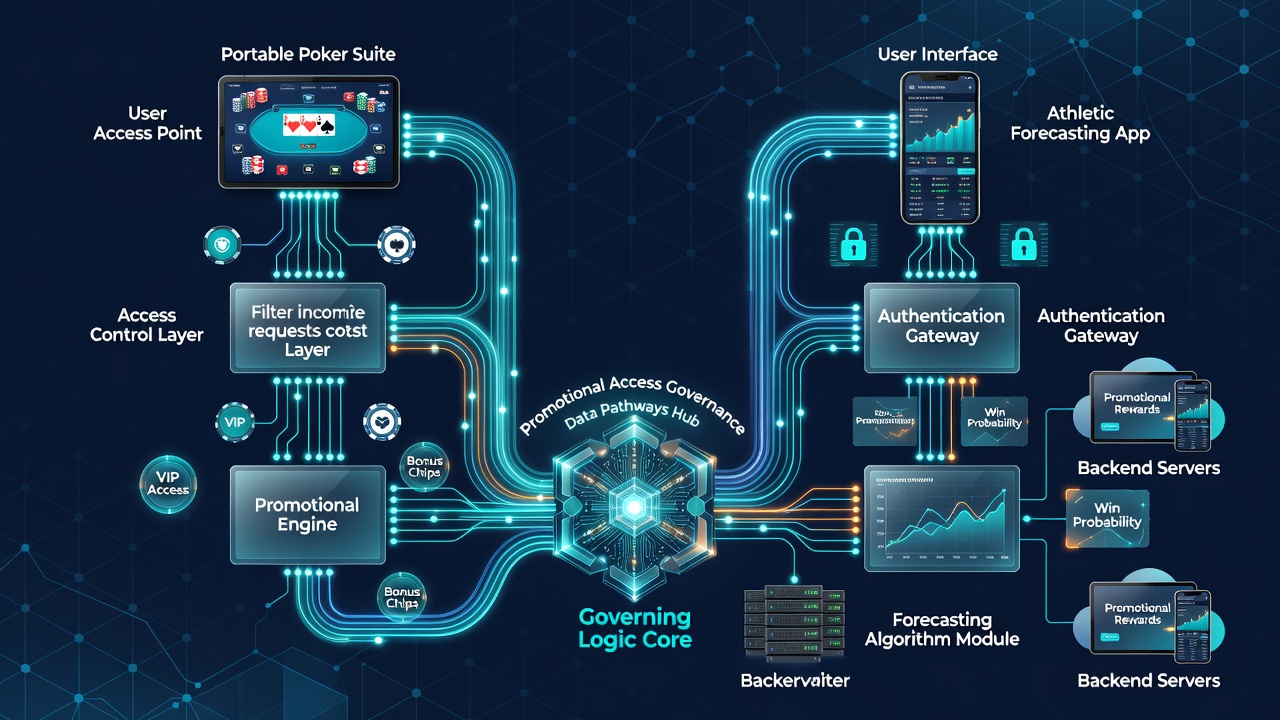
One study revealed that cross-platform data sharing agreements have become more common since mid-2025, with operators exchanging aggregated signals to refine promotional targeting across both poker and sports verticals. The ball remains in the operators' court when deciding how much historical context each pathway retains, and many now purge older records after fixed intervals to align with data minimization standards.
Security and Compliance Layers in Promotional Access
Encryption protocols wrap every segment of these data pathways, protecting information as it travels between mobile clients and backend systems. Regulators in multiple jurisdictions require audit logs that trace each promotional decision back to its originating data points, and according to documentation from the Canadian Gaming Association, such traceability has become a baseline expectation for licensed mobile operators. Athletic forecasting apps often add extra verification steps around live event data to prevent manipulation of prediction-based rewards.
Researchers at the University of Nevada's gaming research center have documented how certain pathways incorporate machine learning models that score users for promotional value in real time, adjusting offers based on recent activity patterns. These models sit downstream from the primary data collection points yet upstream from the final delivery layer, creating a sequential flow that operators monitor continuously for anomalies.
Future Developments in Pathway Architecture
Emerging standards around data portability are prompting operators to redesign segments of their promotional pipelines so users can request copies of the information used to determine their offers. This shift requires clearer mapping of every junction where external services intersect with internal systems. Observers note that platforms handling both poker and sports content face added complexity because the two verticals generate different data volumes and velocity requirements.
What's interesting is how some operators now embed consent flags directly into the data stream itself, allowing the promotion engine to skip ineligible users without additional queries. Such refinements shorten the overall pathway length and reduce server load during peak hours.
Conclusion
Data pathways that govern promotional access in portable poker suites and athletic forecasting apps continue to evolve through incremental technical adjustments and regulatory alignment. The structures in place as of late 2026 demonstrate a balance between rapid offer delivery and strict eligibility controls, with multiple checkpoints ensuring that only verified data reaches the final decision stage. Continued refinement of these routes will shape how both categories of apps manage user incentives in the years ahead.