7 Nov 2026
Localization's Hidden Hand in Customizing Player Experiences Across Borders for Portable Sports Tools and Chance Interfaces
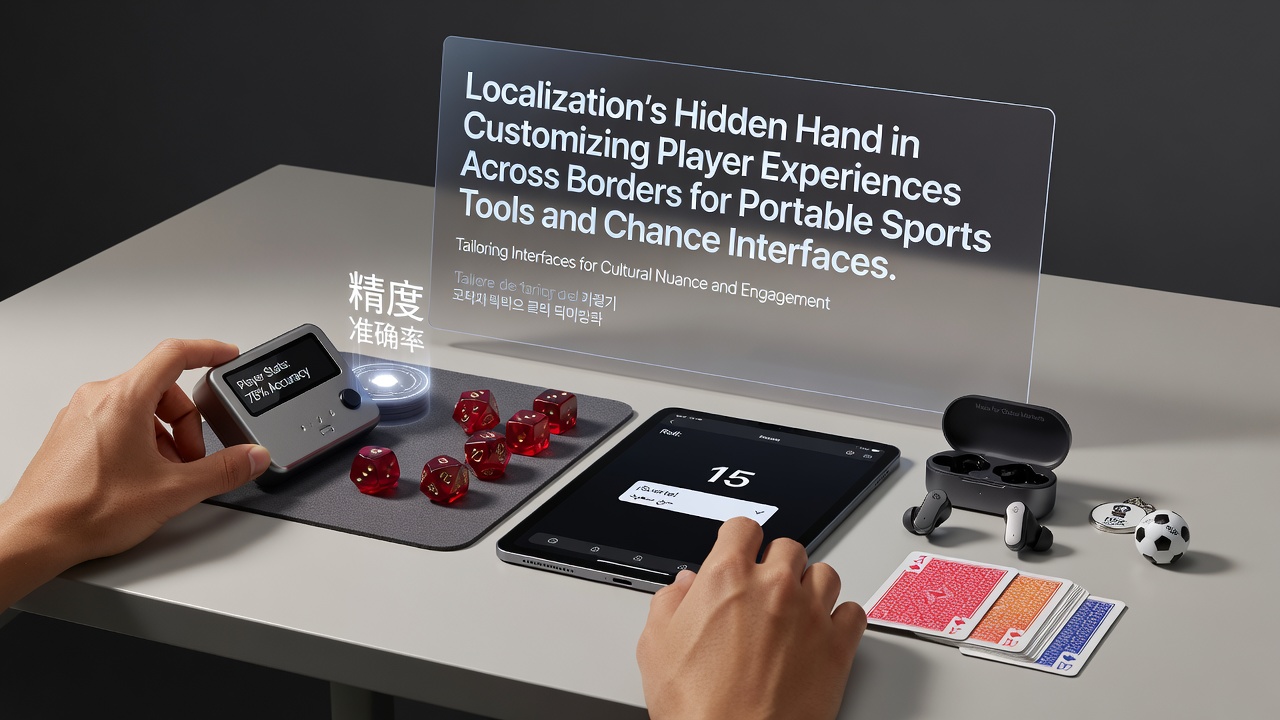
Localization shapes how portable sports tools and chance interfaces adapt to users in varied markets, and the process involves more than simple translation because it touches currency formats, regulatory compliance, cultural references, and device compatibility across borders. Developers adjust these elements so that players encounter familiar interfaces whether they access apps in Europe, Asia, or the Americas, and the adjustments often determine whether an application gains traction in a new territory.
Regional Regulatory Alignment Through Localized Systems
Regulatory frameworks differ sharply by jurisdiction, and localization teams map each set of rules onto the app architecture before launch. Payment gateways, age verification modules, and responsible gaming prompts receive specific configurations that match local statutes, while sports prediction tools incorporate region-specific leagues and event calendars. In November 2026, several platforms updated their Australian-facing versions to align with fresh data reporting requirements issued by the Australian Communications and Media Authority, and those changes affected how real-time odds appeared on handheld devices.
Cultural and Linguistic Adjustments in Sports and Gaming Content
Language localization extends beyond words to include date formats, measurement units, and idiomatic expressions that resonate with local audiences. Sports betting apps, for instance, swap soccer terminology for football references when targeting North American users, and they reorder team lists according to domestic popularity rankings. Chance interfaces undergo parallel treatment where symbol sets, soundtracks, and bonus round themes shift to reflect regional festivals or historical motifs without altering core probability structures.
Technical Implementation for Portable Devices
Device fragmentation adds another layer because screen sizes, operating system versions, and network conditions vary across markets. Engineers test localized builds on representative hardware from each target region to confirm that touch targets remain accurate and that data loads efficiently under typical bandwidth constraints. Font rendering, right-to-left script support, and dynamic currency conversion all receive dedicated quality assurance cycles so that the experience remains consistent once the application reaches end users.
Payment and Financial Feature Localization
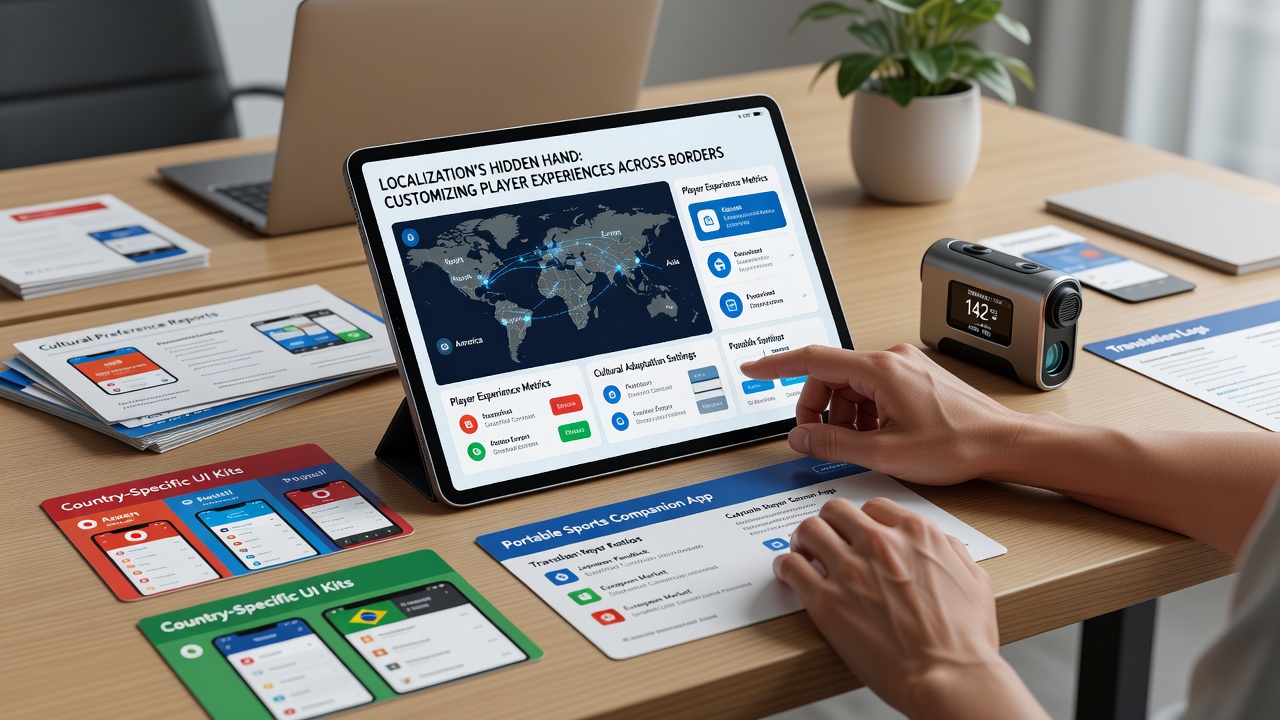
Financial modules must accommodate preferred local methods while satisfying cross-border transaction rules. In parts of Southeast Asia, e-wallet integrations dominate, whereas Latin American markets often favor bank transfer options that align with domestic banking hours. Conversion engines update exchange rates in real time and display fees transparently so that players see accurate totals before confirming any stake or deposit, and these features receive continuous monitoring to match evolving banking regulations.
Player Data and Feedback Integration Across Markets
Analytics platforms collect anonymized usage patterns from each localized version, and product teams compare retention metrics between regions to identify which adaptations produce stronger engagement. Researchers at several universities have examined how localized reward structures influence session length in sports forecasting apps, and their findings indicate measurable differences once cultural context is incorporated into interface design. Those studies continue to inform iterative updates released throughout 2026.
Conclusion
Localization functions as the operational layer that allows portable sports tools and chance interfaces to operate effectively across borders, and its influence appears in every visible and backend element from regulatory prompts to visual themes. Continued refinement of these processes supports broader accessibility while maintaining compliance and functional consistency for users in distinct geographic markets.