12 Sep 2026
Player Habit Patterns Shaping Design Decisions in Mobile Athletic Prediction Apps and Casino Game Ecosystems
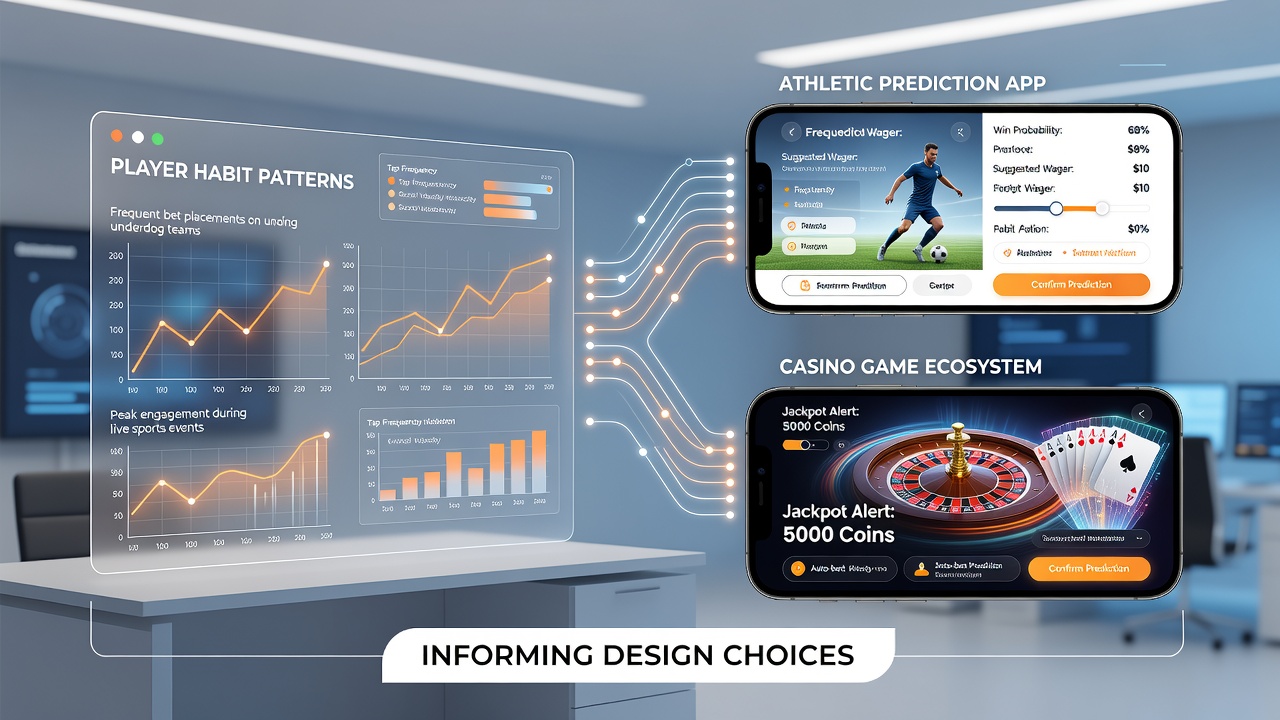
Developers of mobile athletic prediction apps and casino game ecosystems have increasingly relied on detailed tracking of player behaviors to guide interface adjustments, feature additions, and reward structures. Data collected across sessions reveals consistent patterns such as shorter engagement bursts during weekdays compared with extended weekend interactions, and these insights directly influence decisions on notification timing and content loading speeds. Research from the American Gaming Association indicates that mobile users in sports prediction environments tend to switch between multiple prediction markets within a single session, prompting designers to prioritize seamless navigation between live events and pre-match options.
Key Habit Patterns in Athletic Prediction Tools
Players in athletic prediction apps often exhibit rapid decision cycles, with many completing bets within the first three minutes of opening the application according to aggregated usage logs from major platforms. This behavior has led teams to streamline deposit flows and reduce confirmation steps while maintaining compliance with regional standards. Observers note that users frequently return to the same sport categories, such as football or basketball, which has encouraged the development of personalized dashboards that highlight familiar leagues upon login. In September 2026, several platforms introduced adaptive menus that reorder based on historical selections, reflecting a direct response to these recurring access routes.
Retention data shows that users who engage with in-app tutorials on prediction mechanics maintain longer overall activity spans, and this finding has prompted the inclusion of contextual help overlays that appear during peak confusion points identified through heat map analysis. Those who study these ecosystems report that push notification responses peak in the evening hours, leading to scheduled alerts tied to upcoming matches rather than generic promotions.
Adaptations in Casino Game Ecosystems
Casino game interfaces have incorporated similar habit insights, particularly around session length and game switching. Figures from industry tracking services reveal that slot players often complete between five and eight game rotations before pausing, which has driven the creation of quick-switch carousels and persistent game history panels. Live dealer formats demonstrate higher engagement when players can toggle between table views without restarting the application, and developers have responded by embedding floating navigation elements that remain visible during extended play periods.
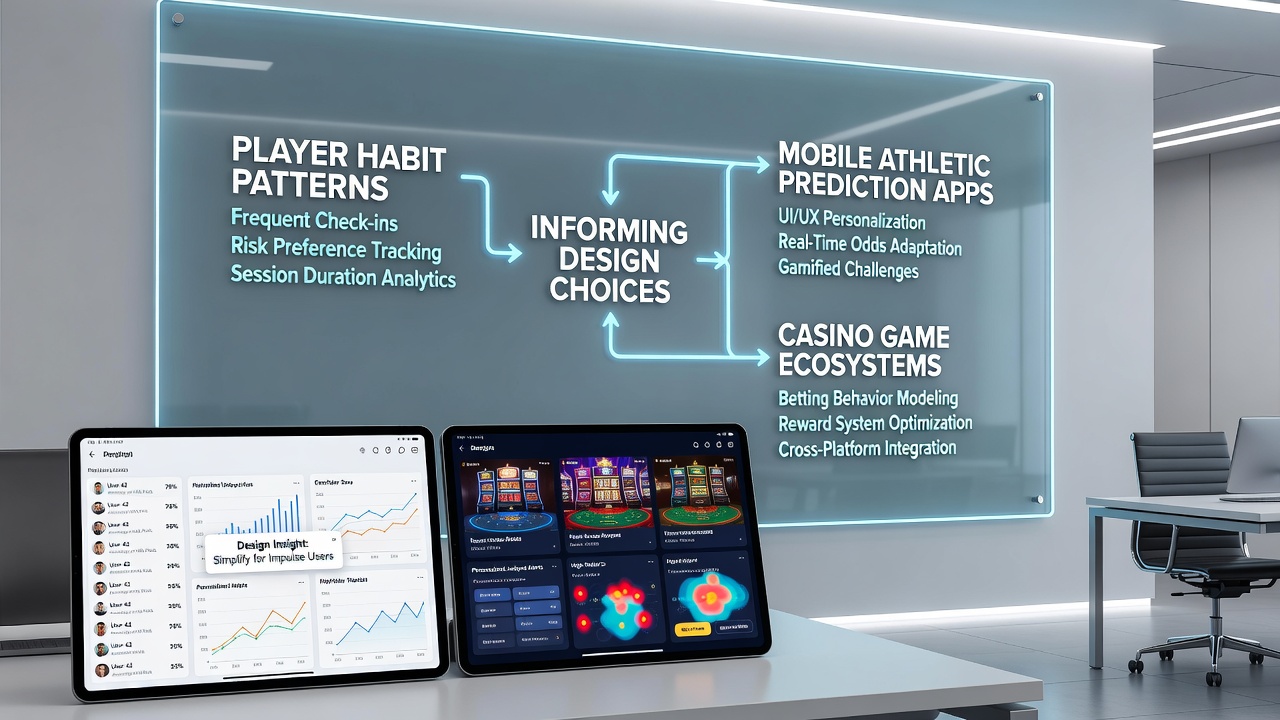
Bonus activation patterns indicate that users respond more consistently to time-limited offers presented after milestone achievements, such as completing a set number of spins, rather than random placements. This observation has shaped the placement of reward notifications at natural break points within gameplay loops. Researchers have documented that cross-platform users who alternate between athletic prediction and casino sections within the same app demonstrate higher lifetime value, which has encouraged unified account systems and shared loyalty tracking across both categories.
Integration of Behavioral Data Across Platforms
Cross-category analysis has become central to design workflows, with teams combining data from sports prediction sessions and casino rounds to identify overlapping preferences. For instance, users who favor high-volatility casino options also tend to select accumulator bets in athletic tools, and this correlation has informed the rollout of themed bundles that link the two experiences. According to reports from the Malta Gaming Authority, regulatory frameworks in multiple jurisdictions now require transparency around how such data informs personalization, which has led platforms to publish clearer summaries of their adjustment processes.
Payment behavior studies further illustrate these connections, as players who complete faster transactions in one section often apply the same speed expectations to the other. Designers have therefore aligned checkout interfaces and introduced unified wallet views that display balances and recent activity from both athletic and casino modules. Academic analyses from the University of Nevada, Reno have examined these integration effects and noted measurable increases in session continuity when friction points between sections are minimized.
Future Adjustments Based on Ongoing Observations
Continued monitoring of habit shifts, including responses to new device capabilities and regional connectivity variations, continues to guide iterative updates. Platforms have begun testing voice-command features in prediction apps after logs showed rising hands-free usage during live events, while casino sections have seen refinements to autoplay settings based on pause frequency data. These evolutions reflect a sustained focus on aligning system responses with documented user flows rather than assumed preferences.
Conclusion
Player habit patterns have become foundational inputs for design teams working across mobile athletic prediction apps and casino game ecosystems, with concrete metrics on session timing, category loyalty, and cross-feature movement driving specific interface and functionality changes. Ongoing collection and application of these patterns support incremental refinements that match observed behaviors while adhering to applicable regulatory requirements in different markets.